Digital signage software for retail chains
Digital signage software is changing how retail chains connect with customers. It replaces static posters with dynamic digital screens that show real-time content. Retailers use it to promote offers, share updates, and create engaging…

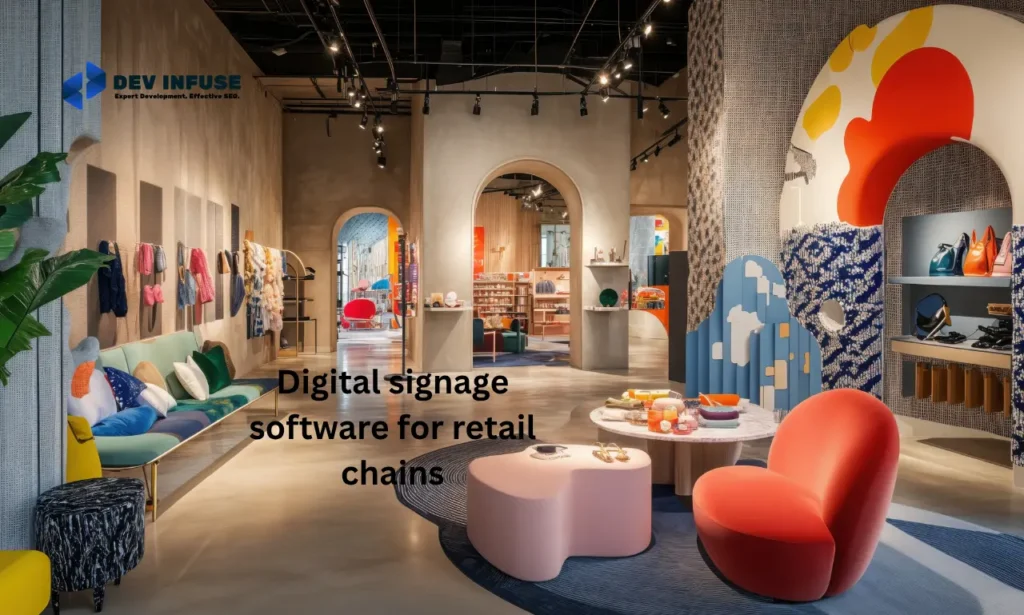
Digital signage software is changing how retail chains connect with customers. It replaces static posters with dynamic digital screens that show real-time content. Retailers use it to promote offers, share updates, and create engaging shopping experiences. The software makes it easy to manage displays across multiple stores from one central platform. This saves time, reduces printing costs, and keeps all locations consistent with the brand’s message.
In today’s fast-paced retail world, attention is everything. Shoppers respond better to bright screens, motion, and timely messages. Digital signage helps stores stand out and influence buying decisions at the right moment. It’s not just about technology, it’s about smarter communication. With the right digital signage software, retail chains can stay flexible, adapt quickly, and make every screen a tool for stronger customer engagement and higher sales.
Why Retail Chains Are Adopting Digital Signage Solutions
Digital signage is becoming a key part of modern retail strategy. Stores are moving away from traditional posters and print materials to embrace dynamic, screen-based communication. This shift helps brands stay relevant and appealing in a fast-changing retail world.
Retail chains adopt digital signage to keep messaging fresh and consistent across all locations. It allows easy updates from a central system, ensuring every store displays the right content at the right time. Promotions, product launches, and seasonal campaigns can go live instantly, saving both time and cost.
Customers also expect engaging, tech-driven experiences. Digital signage captures attention, promotes impulse buys, and enhances in-store navigation. It gives retailers valuable data about what works and what doesn’t. With these insights, brands can adjust content quickly, improve customer experience, and drive more sales, making digital signage a smart investment for any growing retail chain.
Benefits of Digital Signage for Retail Chains
Digital signage offers powerful advantages that go beyond simple display screens. It helps retailers connect with customers, manage campaigns better, and maintain a strong brand presence across all store locations. Let’s look at the key benefits that make it essential for modern retail chains.
Enhanced Customer Engagement
Digital screens capture attention faster than printed signs. Bright visuals, videos, and animations keep shoppers interested and informed. Retailers can use interactive content or motion graphics to highlight offers, guide customers, and create memorable in-store experiences that boost engagement and sales.
Streamlined Promotions and Campaigns
With digital signage software, marketing teams can update promotions instantly across all stores. There’s no need to reprint or manually replace posters. Scheduled content makes it easy to launch campaigns on time and adjust them anytime, ensuring every promotion stays relevant and effective.
Improved Brand Consistency Across Locations
Retail chains often struggle to keep branding uniform. Digital signage solves this by allowing central control of visuals and messages. Every store can display the same high-quality content, ensuring a consistent look and feel that strengthens brand identity and customer trust.
Cost and Time Efficiency
Digital signage reduces the expense of printing, shipping, and manual installation. Updates happen remotely with just a few clicks, saving staff time and resources. Over time, this lowers marketing costs and speeds up operations, making digital signage a smart long-term investment for retail chains.
Top Digital Signage Software in Retail Environments
Digital signage platforms help retail chains manage screen content, deliver promotions, and maintain consistency across all stores. Below are some of the leading options trusted by retailers worldwide.
1. ScreenCloud
ScreenCloud is built for ease of use, letting non-technical staff update screens from a simple dashboard. It supports smart TVs and media players, making setup quick and flexible. Many retailers report stronger customer engagement and sales growth after adopting it. It’s ideal for brands that want a plug-and-play solution across multiple store locations.
2. Pickcel
Pickcel turns every display into a sales and communication channel. It includes a drag-and-drop content manager, cloud control, and templates for fast campaign creation. Compatible with Android and Windows devices, it’s a great fit for chains that value customization and flexible hardware choices.
3. OptiSigns
OptiSigns offers a cost-effective way to manage digital signage across many stores. It supports a wide range of media formats and integrates easily with tools like Google Drive and social media. It’s perfect for growing retail businesses looking to scale digital displays without major expense.
4. Navori NSS
Navori NSS provides an enterprise-level solution designed for large retail networks. It enables centralized scheduling, targeted messaging by region or store, and in-depth analytics. The platform is powerful, reliable, and ideal for companies seeking advanced management and integration features.
5. NoviSign
NoviSign helps retailers create dynamic, interactive displays with slideshows, social feeds, and videos. It also supports audience-based targeting, allowing personalized content by location or demographic. It’s a smart choice for brands that want engaging, modern digital signage to boost in-store experience.
How to Choose the Right Digital Signage Software for Retail
Selecting the right digital signage software is key to running smooth, consistent, and effective displays across all your retail locations. The best solution should fit your business goals, grow with your network, and simplify how you manage in-store content. Here are the main factors to consider before making your choice.
Scalability and Integration
Retail chains often expand quickly, so your software should scale easily with new stores or screens. Look for a system that allows centralized control over multiple locations without performance issues. Integration is equally important; the platform should connect smoothly with tools like POS systems, CRMs, or inventory databases.
Ease of Use and Remote Control
A user-friendly dashboard makes all the difference. Your staff should be able to schedule, update, and monitor displays without technical training. Cloud-based control lets you manage screens remotely, ideal for updating promotions, changing visuals, or fixing issues instantly from any location.
Support, Security, and Compliance
Strong customer support ensures help is available whenever problems arise. Choose a provider that offers responsive service and regular software updates. Security is also critical to ensure the platform protects data, controls user access, and follows industry compliance standards. These safeguards keep your digital signage network reliable, secure, and always running smoothly.
Future Trends in Retail Digital Signage
The world of retail is moving fast, and digital signage is evolving right along with it. New technologies are making screens smarter, more interactive, and deeply connected to the customer journey. These innovations will shape how retail chains engage shoppers and manage content in the years ahead.
AI-Powered Personalization
Artificial intelligence is bringing personalization to in-store screens. AI can analyze shopper behavior, demographics, and buying patterns to display content that fits each customer’s interests. For example, screens might show product suggestions or promotions based on real-time data. This targeted approach makes every message more relevant and helps boost sales and customer satisfaction.
Integration with IoT and Smart Sensors
Digital signage is increasingly connected to the Internet of Things (IoT). Smart sensors can detect movement, temperature, or even stock levels, triggering specific messages automatically. For instance, when foot traffic rises in a certain area, screens can adjust to highlight flash sales or popular products. This creates a more responsive and efficient in-store experience.
AR/VR and Immersive Experiences
Augmented reality (AR) and virtual reality (VR) are turning digital signage into interactive experiences. Shoppers can visualize how products look or function before buying. From virtual try-ons to 3D product demos, AR and VR help retailers create memorable, engaging encounters that connect digital and physical shopping in exciting new ways.
Conclusion
Digital signage software is transforming how retail chains communicate and sell. It replaces old posters with bright, dynamic screens that grab attention and deliver timely messages. Retailers can update content instantly, run campaigns across multiple stores, and keep their branding consistent everywhere.
As technology advances, digital signage will only become smarter and more interactive. Features like AI, IoT, and AR will make shopping more engaging and personalized. For retail chains, investing in the right signage software isn’t just about displaying; it’s about improving customer experience, boosting sales, and staying ahead in a fast-changing retail world.
Related reading
- Ecommerce Site Search Software: How to Choose One That Sells
- Online Invoicing Software for Micro Businesses: Get Paid Faster
- Popup notification software for eCommerce upsells
- Online Booking System for Beauty Salons: Fill the Empty Chair
- Pricing Optimisation Tool for Subscription Businesses
- Case study: Sable ecommerce content
- Free tool: Shopify Plus Break-even Calculator
Frequently asked questions
What is digital signage software?
It manages content shown on digital screens across store locations, letting retailers update promotions and messages remotely in real time.
How does digital signage help retail chains?
It replaces static posters with dynamic screens, lets head office update all stores instantly, and increases engagement with timely offers.
Can digital signage be managed across multiple stores?
Yes. Cloud-based signage software lets a central team schedule and push content to screens in many locations at once.
Need a hand shipping this?
Our team builds high-traffic platforms for fintech, commerce and SaaS.
