Pricing Optimisation Tool for Subscription Businesses
Pricing plays a crucial role in every subscription business. It shapes how customers see value and directly affects profits and growth. Yet, finding the right price is often difficult. Markets change quickly, customer preferences…

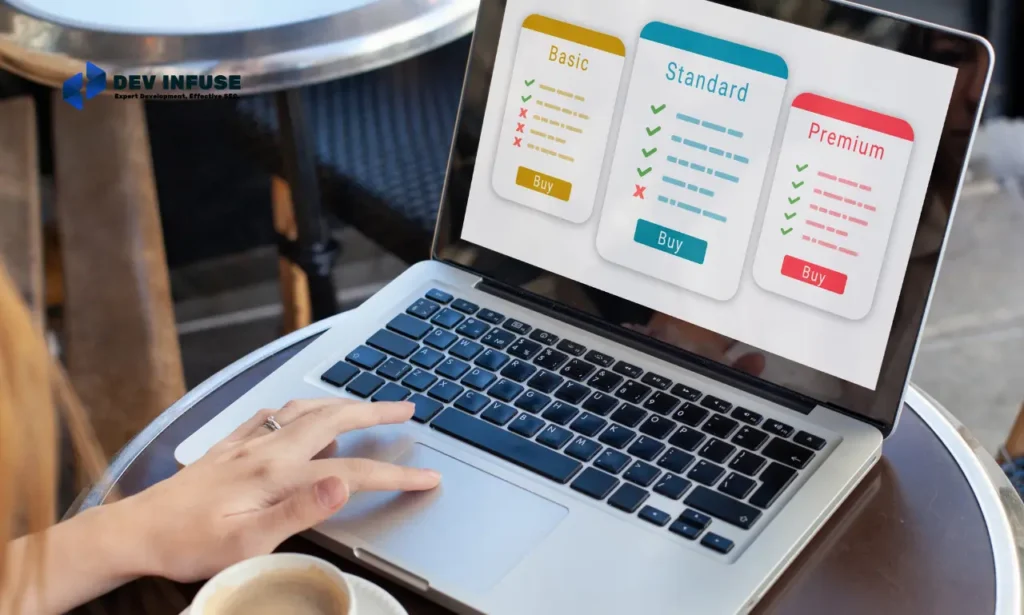
Pricing plays a crucial role in every subscription business. It shapes how customers see value and directly affects profits and growth. Yet, finding the right price is often difficult. Markets change quickly, customer preferences evolve, and competitors adjust their pricing constantly. A small error can lead to high churn or lost revenue. That’s why pricing can’t rely on guesswork or outdated methods anymore. Businesses need tools that use data to make pricing smarter and more accurate.
A pricing optimisation tool does exactly that. It analyses customer data, usage patterns, and market trends to suggest the best pricing strategy. It helps businesses test different models, forecast results, and adjust prices based on real-time insights. With the right tool, subscription companies can balance profitability and customer satisfaction. They can grow sustainably, react faster to changes, and make pricing a continuous, informed process instead of a one-time decision.
How Pricing Optimisation Tools Work
Pricing optimisation tools help subscription businesses make smarter, data-based pricing decisions. They use technology to understand customer behaviour, forecast outcomes, and connect pricing strategies with business goals. Instead of relying on guesswork, these tools combine data, analytics, and automation to recommend the most effective prices.
Data Inputs and Analytical Foundations
These tools start by gathering data from multiple sources — customer subscriptions, usage patterns, churn rates, and payment histories. They also consider market conditions and competitor pricing. The system analyses this information to find patterns and relationships. Turning raw data into insights it helps businesses see what truly drives customer decisions and revenue performance.
Predictive Modelling and Demand Forecasting
Once the data is processed, predictive models estimate how customers will respond to different prices. The tool uses algorithms to simulate possible outcomes and forecast demand changes. This helps businesses test “what-if” scenarios before making real adjustments, reducing risk and improving accuracy.
Integration with Billing and Analytics Systems
A strong pricing optimisation tool connects seamlessly with billing platforms, CRM systems, and analytics dashboards. This integration ensures that pricing updates flow automatically across all systems. It also allows for real-time monitoring of results, making it easier to track performance and adjust strategies quickly as customer behaviour or market trends shift.
Benefits for Subscription Businesses
Pricing optimisation tools bring clear advantages to subscription-based companies. They make it easier to balance growth, retention, and customer satisfaction. By using data and automation, businesses can move away from trial-and-error pricing and focus on strategies that truly work.
Improved Revenue and Reduced Churn
A well-optimised pricing model can uncover hidden revenue opportunities. By identifying the price points customers are most willing to pay, businesses can increase their average revenue per user without driving people away. These tools also help detect early signs of churn by analysing customer behaviour and payment patterns. With this insight, companies can adjust their offers or pricing tiers to retain more subscribers.
Enhanced Decision-Making Through Automation
Pricing decisions no longer need to rely on intuition or slow manual analysis. Automation speeds up the process, providing real-time recommendations backed by accurate data. This allows teams to respond faster to market shifts and competitor actions, reducing uncertainty and improving strategic outcomes.
Better Alignment of Price with Perceived Value
Customers stay loyal when they feel the price matches the value they receive. Pricing optimisation tools measure this balance by analysing feedback, engagement, and usage data. They help ensure that each plan reflects its true worth, creating fairer, more transparent pricing that builds long-term trust and satisfaction.
Top Pricing Optimisation Tools in 2025
Finding the right pricing tool can make or break a subscription business. With smarter analytics and AI features, today’s platforms help turn data into clear pricing strategies. Below are some of the best tools in 2025 that help subscription companies optimise pricing and boost long-term growth.
1. Price Intelligently (by ProfitWell)
Designed for SaaS and subscription-based companies, Price Intelligently helps businesses identify the right pricing strategy through detailed data analysis. Its latest version includes AI-powered insights that measure customer value perception, price sensitivity, and revenue potential
Best for: Software and digital subscription businesses refining their tier structures or value-based pricing.
2. Chargebee
Originally known as a billing and revenue-management platform, Chargebee now includes strong pricing optimisation features. It enables businesses to run A/B tests, explore different bundle options, and analyse how changes affect churn and revenue in real time.
Best for: Growing subscription companies seeking an all-in-one billing and pricing solution.
3. Pricefx
Pricefx is a full-scale pricing platform that uses machine learning and data modelling to deliver insights across multiple channels. It supports various pricing strategies from dynamic to value-based and integrates well with CRM and ERP systems.
Best for: Large or global subscription businesses that need flexible and data-driven pricing systems.
4. Zilliant
Zilliant focuses on enterprise-level price management and optimisation. It helps companies analyse market data, guide sales teams with deal recommendations, and maintain consistent pricing logic across large customer bases.
Best for: B2B subscription models or companies offering complex, high-value contracts.
5. PROS Pricing Suite
PROS provides a dynamic and predictive approach to pricing. Its platform uses real-time data to adjust prices, personalise offers, and forecast revenue outcomes. The system integrates smoothly with sales tools and ERP software.
Best for: Businesses using usage-based pricing or those requiring quick, data-driven price updates.
6. Prisync
Prisync specialises in competitor price monitoring and dynamic adjustments. While it started in the e-commerce space, it now supports subscription models that rely on market-driven pricing. The tool helps track competitors and adapt pricing strategies accordingly.
Best for: Subscription companies in highly competitive markets looking to stay price-responsive.
How to Choose the Right Tool
Selecting the right pricing optimisation tool requires careful evaluation. The ideal platform should fit your business model, work with your existing systems, and offer flexibility for future growth. Here are the key points to consider before making a decision:
Check Data Sources and Compatibility
- Ensure the tool can connect with your billing, CRM, and analytics systems.
- Verify it supports clean, accurate data input for reliable results.
- Seamless integration reduces errors and saves time in data management.
Assess Pricing Model Complexity
- Determine if your business uses flat, tiered, or usage-based pricing.
- Choose a platform that supports your current structure and future plans.
- Complex models benefit from tools with dynamic and rule-based pricing options.
Look for Experimentation and Forecasting Features
- The ability to run A/B tests and simulate price changes is essential.
- Forecasting tools help predict revenue impact before implementation.
- These features reduce risk and improve pricing accuracy.
Consider Scalability and Growth
- Pick a tool that can handle larger customer bases and expanding data volumes.
- Scalable platforms prevent costly upgrades later.
Balance Cost and Value
- Compare pricing against potential returns, such as increased revenue or lower churn.
- The best tool delivers measurable business impact, not just functionality.
The Evolving Future of Pricing Optimisation
Pricing is no longer a one-time decision it’s becoming a continuous, intelligent process. As technology advances, pricing strategies are adapting faster than ever before. The future lies in smarter, more predictive systems that evolve with customer behaviour and market change.
Advancements in AI and Dynamic Pricing
Artificial intelligence is reshaping how pricing decisions are made. Modern tools use real-time data to adjust prices automatically based on demand, usage, and customer patterns. Dynamic pricing models powered by AI can predict the best price at any given time, helping businesses stay competitive and profitable.
Personalised and Usage-Based Pricing Trends
More companies are shifting toward pricing models that reflect individual customer value. Personalised pricing offers flexibility, allowing each user to pay for what they truly use or need. This approach improves satisfaction and retention while aligning revenue with customer experience.
The Growing Role of Predictive Intelligence
Predictive intelligence goes beyond reacting to market data; it anticipates future trends. By analysing historical behaviour, customer preferences, and demand cycles it helps businesses make proactive pricing decisions. This foresight creates a major advantage, enabling subscription businesses to stay agile and ahead of change.
Conclusion
A pricing optimization tool helps subscription businesses find the best price for their products or services. It uses data and analytics to understand customer behavior and market trends. This helps companies set prices that increase revenue while keeping customers happy.
With the right tool, pricing becomes smarter and more flexible. Businesses can test new strategies, track performance, and adjust prices quickly. It reduces guesswork and improves long-term growth. In a competitive subscription market, using a pricing optimization tool is one of the best ways to stay profitable and meet customer needs effectively.
Related reading
- Ecommerce Site Search Software: How to Choose One That Sells
- Online Invoicing Software for Micro Businesses: Get Paid Faster
- Popup notification software for eCommerce upsells
- Online Booking System for Beauty Salons: Fill the Empty Chair
- Digital signage software for retail chains
- Case study: Cobalt Shopify speed
- Free tool: Shopify Plus Break-even Calculator
Frequently asked questions
What is a pricing optimisation tool?
It uses data and testing to help subscription businesses find the price points that maximize revenue, conversions, and customer retention.
How do pricing tools help subscription businesses?
They analyze customer behavior, test plans, and reveal how price affects sign-ups and churn, replacing guesswork with data-driven pricing decisions.
How often should subscription businesses review pricing?
Pricing should be reviewed regularly, especially when costs, competition, or customer value change, since markets and preferences shift over time.
Need a hand shipping this?
Our team builds high-traffic platforms for fintech, commerce and SaaS.
