Learning management system for small schools
A Learning Management System (LMS) is software that helps schools manage teaching and learning in one place. It allows teachers to create lessons, share resources, track student progress, and communicate easily with students and…

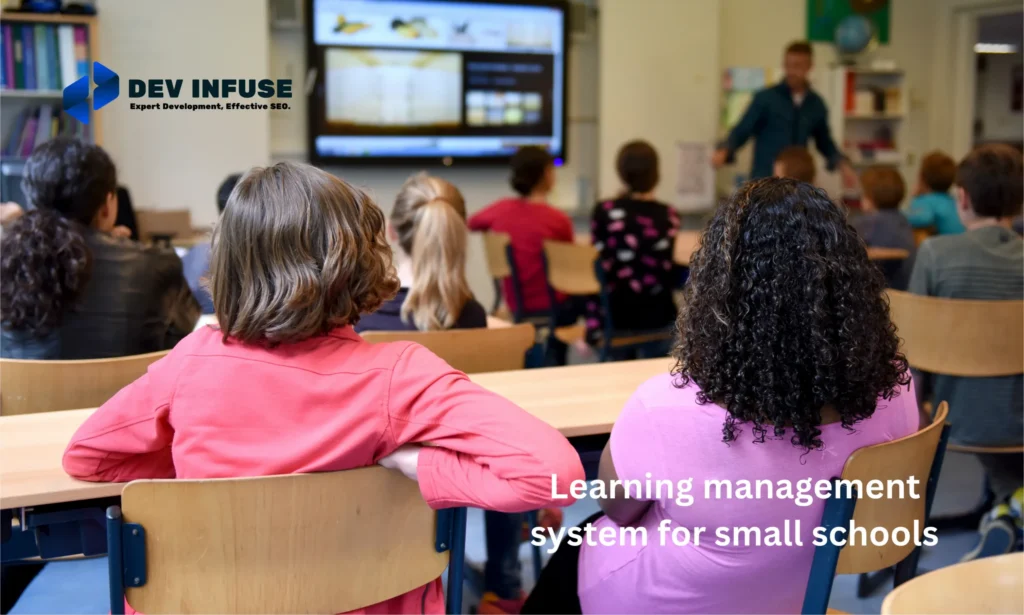
A Learning Management System (LMS) is software that helps schools manage teaching and learning in one place. It allows teachers to create lessons, share resources, track student progress, and communicate easily with students and parents. For small schools, an LMS can simplify daily tasks and save significant time. It brings organization and structure to classrooms.
Small schools often face challenges like limited staff, fewer resources, and tight schedules. An LMS helps overcome these problems by centralizing tasks and information. Students can access lessons online, submit assignments, and receive feedback quickly. Teachers can monitor performance and plan better. Overall, an LMS improves learning experiences and makes school management smoother. It is a practical tool that supports both teaching and learning in a small school setting.
Features of an LMS for Small Schools
A Learning Management System offers several features that make teaching and learning easier for small schools. These tools help teachers, students, and administrators stay organized and connected.
- Course Creation and Management: Teachers can create lessons, organize materials, and set up assignments in one place. Courses are easy to update, and students can access them anytime.
- Attendance and Grade Tracking: An LMS allows schools to record attendance quickly and track student performance. Grades are stored digitally, enabling faster, more accurate reporting.
- Communication Tools (Messaging, Announcements: Teachers and students can communicate directly through messages. Schools can send announcements to classes or groups instantly.
- Reporting and Analytics: LMS platforms provide reports on student progress and engagement. This helps teachers identify areas where students need more support.
- Integration with Existing Tools: Many LMS platforms work with other school software. This allows schools to continue using familiar tools while streamlining tasks.
Top Learning Management Systems for Small Schools
Small schools often face challenges such as limited staff, tight budgets, and the need for streamlined communication. A learning management system (LMS) can address these challenges by centralizing teaching, learning, and administrative tasks in one platform. While there are many options available, some LMS platforms are particularly well-suited for smaller institutions due to their ease of use, flexibility, and affordability.
Google Classroom
Google Classroom is one of the simplest and most widely used LMS options for small schools. It is free and integrates seamlessly with Google Workspace tools like Docs, Drive, and Calendar. Teachers can easily create assignments, share resources, and provide feedback to students. Students can submit their work online, track their grades, and access announcements from one platform.
Moodle
Moodle is a flexible, open-source LMS that can be customized to meet the specific needs of a school. It supports various learning methods, including quizzes, forums, blended learning, and interactive content. Administrators can control access, monitor student progress, and generate detailed reports. Schools with tech support can host Moodle on their own servers, while others can choose managed hosting services. Its adaptability and extensive feature set make it a powerful solution for schools looking for a scalable LMS that can grow with their needs.
Canvas
Canvas offers a modern and intuitive interface that works well for both in-person and online learning. It provides tools for creating interactive lessons, embedding multimedia content, and managing assignments. Teachers can track student progress in real time and offer personalized feedback. Canvas also has a strong mobile application, which allows students to access courses on the go, making learning flexible and accessible.
Schoology
Schoology is designed specifically for K12 schools and offers a social-network-style interface that encourages collaboration. Students and teachers can interact through discussion boards, messaging, and shared resources. Parents can also stay informed about their child’s progress, homework, and announcements. Schoology integrates with widely-used tools such as Google Drive, Microsoft Office, and other education software, helping schools maintain existing workflows while benefiting from a centralized platform.
Edsby
Edsby focuses on primary and secondary education and excels in analytics and reporting. It allows teachers to track attendance, performance, and engagement at both individual and class levels. The platform supports communication between teachers, students, and parents, helping schools maintain a connected community. Edsby is especially valuable for small schools that want a system capable of generating insights to guide teaching strategies and improve student outcomes.
Chamilo
Chamilo is a lightweight and open-source LMS designed for simplicity. Its straightforward interface makes it easy for both teachers and students to navigate. Chamilo supports standard e-learning formats such as SCORM, allowing schools to use existing course content. Despite being lightweight, it still offers essential features like course management, reporting, and quizzes, making it a practical option for schools seeking a no-frills, reliable LMS.
Kannu
Kannu is a cloud-based LMS tailored for creative schools, including arts, design, and music programs. It includes portfolio tools that allow students to showcase their work digitally, which is ideal for programs focused on project-based learning. Kannu’s responsive interface ensures accessibility from any device, and its visual design emphasizes student engagement. For schools that prioritize creativity and interactive learning, Kannu provides specialized features that go beyond standard LMS platforms.
Choosing the Right LMS
Selecting the right learning management system can feel overwhelming for small schools. The right LMS can save time, simplify teaching, and improve the learning experience. The wrong one can lead to frustration, low adoption, and wasted resources. Careful planning and research are key to making the right choice.
Identify Your School’s Needs
Start by understanding your school’s specific requirements. Do you need strong communication tools to connect teachers, students, and parents? Or is tracking grades, attendance, and student progress the main priority? Some schools may need features for blended or remote learning, while others focus on traditional classroom support. Identifying these needs first will help you narrow down the LMS options that align with your goals.
Consider Your Budget
Budget is a major factor for small schools. Some LMS platforms are free or open-source, while others charge monthly or annual fees. Consider not just the cost, but the value it provides. Paying a little more for a system that is easy to use and fully supported may save time, reduce stress, and improve learning outcomes over time.
Focus on Ease of Use
An LMS should be simple and intuitive for both teachers and students. A system that is too complicated can discourage usage and reduce the benefits it offers. Look for platforms with clear navigation, user-friendly interfaces, and easy access to features like assignments, grades, and communication tools. Training time should be minimal, so teachers can focus on teaching.
Check Integration and Support
Ensure the LMS works with tools your school already uses, such as Google Workspace, Microsoft Office, or existing gradebooks. Integration helps avoid duplication of work and makes adoption smoother. Also, check the support available—reliable customer service, tutorials, or an active user community can make a huge difference during setup and troubleshooting.
Plan for the Long Term
Finally, think about the long-term growth of your school. Choose an LMS that can scale as your school expands, supports new teaching methods, and adapts to future technological changes. A system that meets your current needs but also allows flexibility will continue to be valuable for years to come.
Future Trends in LMS for Small Schools
Small schools are beginning to adopt new digital tools faster than ever. Modern LMS platforms are evolving to support flexible and personalized learning. These upcoming trends will shape how teachers teach and how students learn.
AI-Powered Learning Support
Artificial Intelligence will become a core part of LMS systems. AI will analyze student performance, attendance patterns, learning speed, and engagement levels. It will automatically recommend lessons, generate revision questions, and highlight students who are falling behind. AI-driven chatbots will assist students with instant answers to common questions, reducing teacher workload. Predictive analytics will help teachers understand which students may struggle in the future, enabling early interventions and personalized support.
Immersive Learning with AR and VR
AR and VR tools will bring complex subjects to life by providing interactive 3D experiences. Students can conduct virtual science experiments, explore human anatomy, walk through historical events, or visualize geographic structures. Small schools that lack science labs, physical models, or field trip opportunities will greatly benefit from these virtual experiences. Affordable VR headsets and mobile-based AR apps will make this technology accessible even to budget-sensitive institutions.
Improved Security and Data Protection
As LMS platforms store sensitive student data, security will become more advanced. Systems will adopt multi-factor authentication, encrypted storage, secure access controls, and real-time intrusion detection. LMS providers will align with global data protection laws to ensure privacy and safety. For small schools with limited IT staff, these built-in protections reduce risk and simplify compliance.
Conclusion
A learning management system is a powerful tool for small schools. It helps teachers organize lessons, track student progress, and manage assignments efficiently. Students can access learning materials anytime, submit work online, and receive timely feedback. Communication between teachers, students, and parents also becomes easier.
Choosing the right LMS allows small schools to save time, reduce manual work, and improve learning outcomes. As technology evolves, LMS platforms will offer more features like mobile access, analytics, and interactive learning. With careful planning, small schools can create a modern, effective, and well-managed learning environment for everyone.
Related reading
- Conference Registration Software: How to Choose One That Works
- Scheduling Tool for Coaches: How to Pick One That Fills Your Calendar
- Secure File Sharing for Law Firms: What Actually Protects You
- Affordable Accounting Software for Freelancers: What You Really Need
- Lead generation chatbot tool for home services
- Case study: NorthPeak fintech onboarding
- Free tool: Website Maintenance Cost Calculator
Frequently asked questions
What is a learning management system?
An LMS is software that lets schools create lessons, share resources, track student progress, and communicate with students and parents in one place.
How does an LMS help small schools?
It organizes teaching online, saves teachers time on admin, keeps parents informed, and gives students easy access to materials and grades.
What features should a school LMS include?
Look for lesson and course tools, assignments and grading, progress tracking, communication, and simple access for students and parents.
Need a hand shipping this?
Our team builds high-traffic platforms for fintech, commerce and SaaS.
